Assyrian Architecture: A Glimpse into the Past
Category : | Sub Category : Posted on 2024-11-05 22:25:23
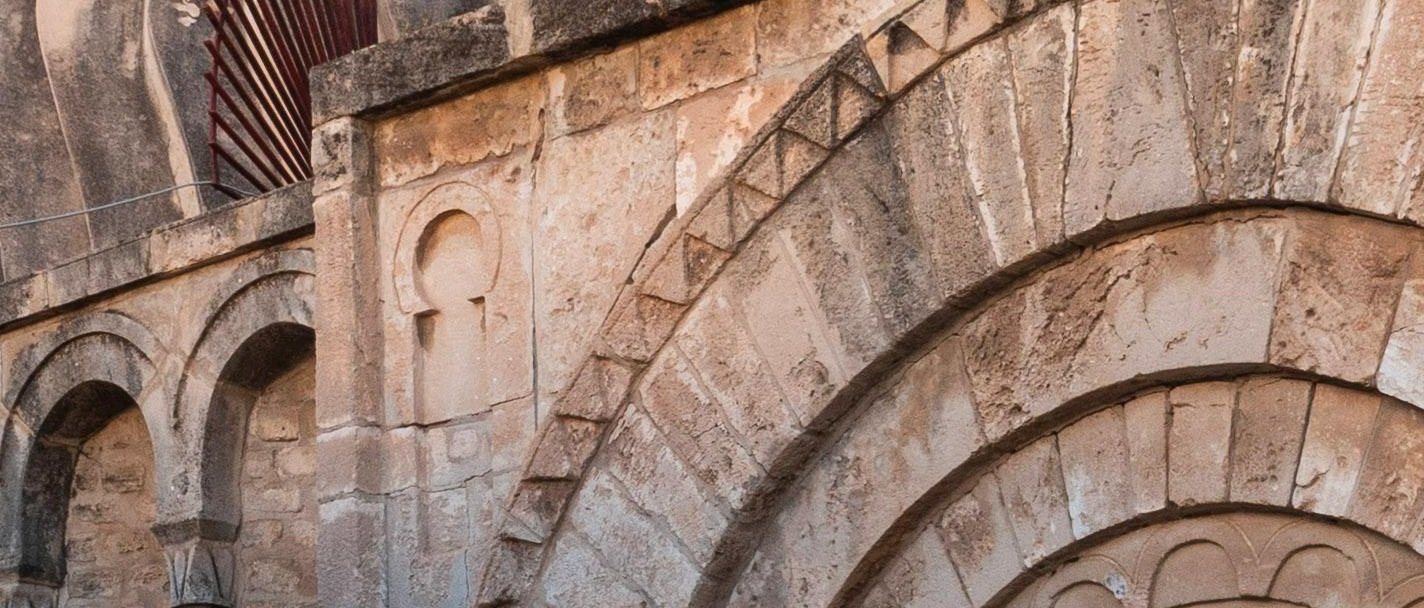
Ancient Assyrian architecture is a fascinating subject that provides a glimpse into the rich history and culture of the Assyrian civilization. From the imposing palaces of kings to the detailed reliefs and sculptures that adorned them, Assyrian architecture is a testament to the advanced engineering skills and artistic talent of this ancient society. One of the most famous examples of Assyrian architecture is the city of Nineveh, the capital of the Assyrian Empire. The city was adorned with magnificent palaces, temples, and walls that showcased the power and wealth of the Assyrian kings. The most famous of these palaces is the Palace of King Sennacherib, known for its grand courtyards, intricate carvings, and impressive size. Another notable example of Assyrian architecture is the city of Ashur, one of the earliest and most important cities of the Assyrian Empire. The city was home to the Temple of Ashur, the main god of the Assyrian pantheon, which was a center of religious worship and political power. One of the key features of Assyrian architecture is the use of intricate relief carvings and sculptures. These detailed artworks depicted scenes of warfare, hunting, and religious rituals, providing valuable insights into Assyrian society and beliefs. The reliefs were often brightly painted, adding to their visual impact and creating a vivid picture of life in ancient Assyria. In addition to their palaces and temples, the Assyrians were also skilled builders of fortifications. Impressive city walls with massive gates and towers protected Assyrian cities from invaders and showcased the military might of the empire. While many of the ancient Assyrian structures have been lost to time, through archaeological excavations and historical records, we can still appreciate the grandeur and sophistication of Assyrian architecture. Studying these ancient buildings not only helps us understand the technical achievements of the Assyrians but also provides a window into their culture, beliefs, and way of life. In conclusion, Assyrian architecture is a remarkable legacy that continues to captivate and inspire us today. Its grandeur, intricacy, and historical significance make it a valuable part of our shared human heritage. By studying and preserving these ancient structures, we can ensure that the legacy of Assyrian architecture lives on for future generations to appreciate and learn from.
Leave a Comment:
SEARCH
Recent News
- Rebuilding Syria's Economy After the Dictatorship: Lessons from Zurich, Switzerland
- Zurich, Switzerland, is known for its picturesque landscapes, thriving economy, and high standard of living. However, a lesser-known aspect of this vibrant city is its commitment to human rights, especially in the post-revolution era of Syria.
- Zurich, Switzerland and Iraq: A Tale of Two Economies
- Zurich, Switzerland, is known for its picturesque landscapes, high standard of living, and top-notch educational institutions. On the other hand, Iraq has a complex educational system with various challenges and opportunities for higher education.
- Zurich, Switzerland and Iraq are two countries that are home to diverse religious communities. In Zurich, the largest city in Switzerland, there is a mix of religious beliefs and practices that coexist peacefully. Similarly, Iraq is known for its rich tapestry of religious traditions that have shaped the country's culture and history.
- Rebuilding Syria's Economy Through YouTube Content Creation and Translation
- YouTube Content Creation and Translation Post-Revolution Human Rights in Syria
- Iraq is a country rich in natural resources such as oil, gas, and minerals. With a growing interest in YouTube content creation and the need for translation services, there is great potential to explore and showcase Iraq's natural resource industry through this platform.
READ MORE
9 months ago Category :

Rebuilding Syria's Economy After the Dictatorship: Lessons from Zurich, Switzerland
Read More →9 months ago Category :

Zurich, Switzerland, is known for its picturesque landscapes, thriving economy, and high standard of living. However, a lesser-known aspect of this vibrant city is its commitment to human rights, especially in the post-revolution era of Syria.
Read More →9 months ago Category :

Zurich, Switzerland and Iraq: A Tale of Two Economies
Read More →9 months ago Category :
